Catering Costs 2026
Understanding Catering Costs for Food Trucks in Philadelphia: A Comprehensive Guide
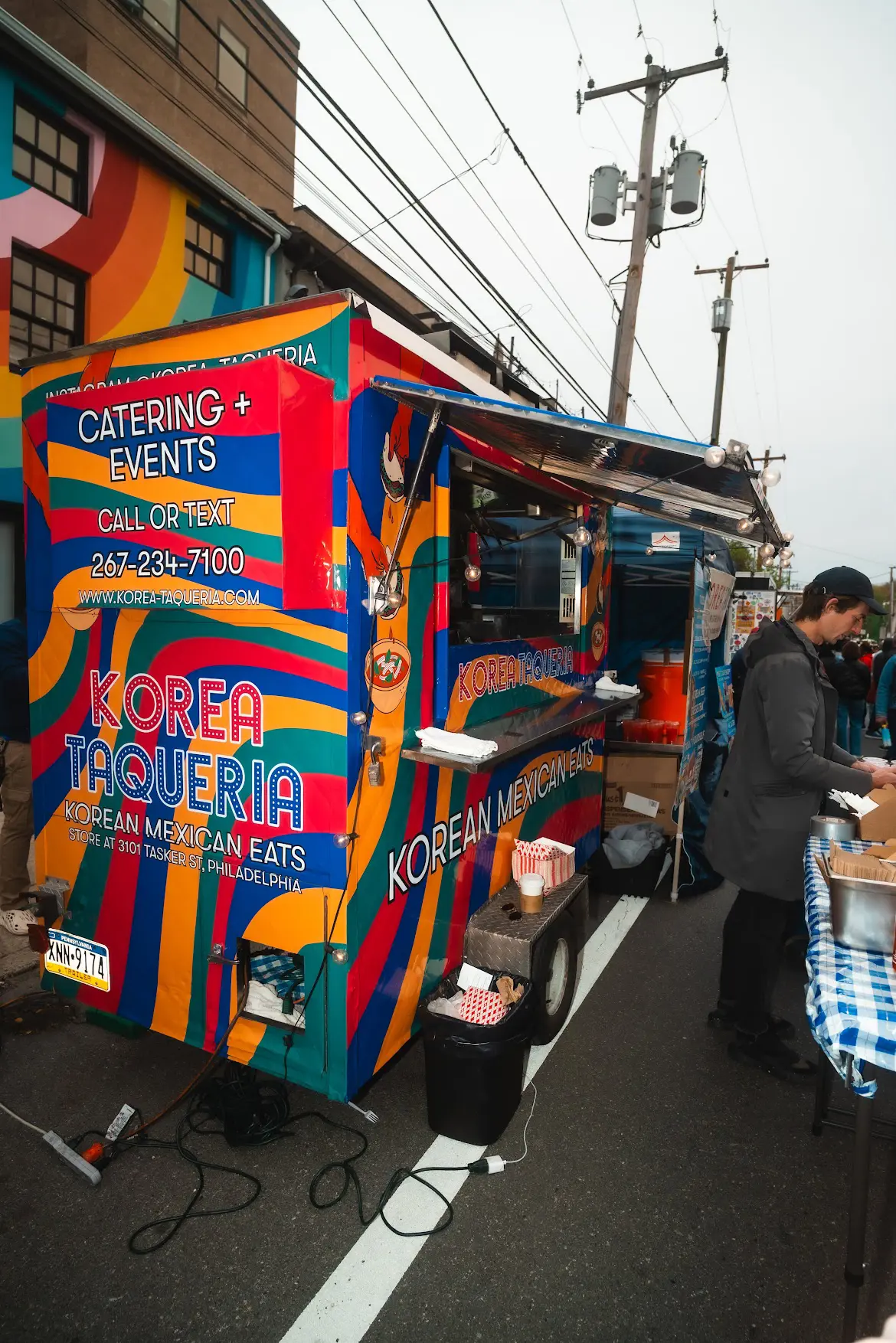
In the heart of Philadelphia, where the aroma of cheesesteaks mingles with innovative global flavors, food trucks have evolved from street-side staples to premier catering powerhouses. Recently, the city's mobile culinary scene boasts over 500 active trucks, many of which have pivoted to catering for weddings, corporate gatherings, and festivals amid rising demand for fresh, customizable events. Catering via food trucks offers a blend of convenience, affordability, and excitement, often slashing traditional costs by up to 70 percent while delivering hot, made-to-order meals.
However, accurately budgeting requires unpacking the layers of pricing models, operational expenses, and regulatory fees. This professional blog explores catering costs for Philadelphia food trucks in depth, from per person rates to permit investments. We break down averages, variables, and strategies to optimize your spend, empowering event planners, business owners, and truck operators alike. Whether hosting a South Philly block party or a Center City launch, these insights ensure your event rolls smoothly and deliciously.
The Appeal of Food Truck Catering in Philadelphia
Philadelphia's food truck culture thrives on diversity and accessibility, making it ideal for catering. Trucks serve everything from vegan falafel to wood-fired pizzas, adapting to events from 30-guest birthdays to 300-person galas. Unlike static caterers, trucks arrive self-contained, minimizing venue setup and allowing outdoor or unconventional spaces like parks or rooftops. Recent data shows catered events grew 25 percent since last year, driven by post-pandemic preferences for interactive dining. Clients rave about the novelty: guests line up for personalized bites, fostering conversation and Instagram-worthy moments.
Food Truck vs. Traditional Catering: Cost Breakdown
- Traditional catering: $85–$100 per person
- Food trucks: $15–$45 per person (based on menu)
For 100 guests:
- Food truck: $1,500 – $4,500
- Traditional: $8,500+
Note: Food truck total includes food only. Add:
- Travel fees
- Staffing
- Permits & compliance
Tip: Know the full cost structure to negotiate better deals.
Pricing Models for Food Truck Catering
Food truck catering in Philadelphia employs three primary models: per person, flat fee, and hourly. Each suits different event scales and budgets. Per-person pricing averages $15–$30 for tacos/burgers, $25–$45 for upscale options like lobster rolls. Includes ingredients, labor, and service; minimums $1,200–$1,500. Example: cheesesteak truck at $18/head for 50 guests = $900 + tax. Flat fees provide predictability, ranging $1,000 to $3,000 for four hour events, ideal for corporate lunches or festivals. This bundle includes unlimited servings, setup, and cleanup, but caps at 100 to 150 guests to avoid overload.
Hourly Rates
- $500–$1,000 per hour after the first 2 hours
- Ideal for long events like weddings with late-night snacks
Add-Ons
- Beverages: $3–$5 each
- Desserts: $5–$10 each
- Can increase total cost by 20%
What Changes the Price?
- Busy season (May–Oct): +15–25%
- Weekdays: –10%
- Travel: $2–$3 per mile (max $200 in tri-state)
Factors Influencing Catering Costs
Event type shapes pricing profoundly. Corporate events average $1,200 to $2,000 flat, prioritizing efficiency with boxed lunches or buffets. Weddings command $2,500 to $5,000, incorporating custom menus and extended hours. Festivals scale to $3,000 plus, factoring in high volume and generator rentals at $100 daily.Menu selection drives 40 to 60 percent of expenses. Basic fare like hot dogs costs $10 to $15 per person; gourmet fare like salads hits $30 to $40. Dietary accommodations, such as gluten-free or vegan, add $5 to $10 per plate due to specialty sourcing. Staffing contributes 20 to 30 percent: a solo operator suffices for 50 guests at no extra cost, but 150 requires two to three crew at $20 to $25 hourly each. Equipment like extra grills ($200 rental) or tents ($150) for weather-proofing tacks on costs.
Inflation and supply chain shifts in 2026 raised ingredient prices 8 percent, per industry reports, prompting trucks to adjust dynamically. Booking platforms like Roaming Hunger facilitate comparisons, often with 10 percent discounts for off-peak.
Hidden Costs and Budget Busters
Beyond headline prices, ancillary fees erode margins—deposits secure dates at $250 to $500, nonrefundable within 30 days. Taxes and gratuity add 8 to 18 percent: Pennsylvania's 6 percent sales tax plus Philadelphia's 2 percent, with 15 to 20 percent tips standard. Logistics include parking permits at $100 to $300 for public spaces and commissary fees ($300 to $800 monthly), which are passed on to clients for large events. Waste disposal ($50 to $100) and fuel surcharges ($75 for 50 miles) accumulate.
For Food Truck Operators
- Insurance lapses or permit violations → $100–$500 fines
- These costs are passed on → higher client rates
For Clients
Budget 15% extra for surprises
- Overtime
- Menu changes
- Unexpected fees
Cost Breakdown Table
Category
Average Cost
Notes
Per Person Standard
$15 to $30
Tacos, burgers, minimum 50 guests
Per Person Upscale
$25 to $45
Gourmet, custom weddings preferred
Flat Fee Event
$1,000 to $3,000
4 hours, 100 guests
Hourly Add On
$500 to $1,000
Beyond initial service
Travel Fee
$2 to $3 per mile
Up to $200 cap
Deposit
$250 to $500
Nonrefundable after 30 days
Food Establishment License
$165
Annual, non-permanent
Plan Review/Inspection
$150 + $190
Expedited $380
Food Safety Certificate
$30 + $100 to $150 course
Manager required
Food Handler Card
$15
Per employee, 3 years
Commercial Activity License
$300
All businesses
Event Permit
$100 to $300
Festivals
Commissary Monthly
$300 to $800
Ongoing requirement
Vending Zone Annual
$2,750
Optional prime spots
Understanding Food Truck Costs: Startup vs. Event
Launching a food truck requires $1500-$2000 in startup permitting. This one-time investment covers essential licenses, health inspections, and city approvals needed to operate legally. For a 100-guest event, total catering costs range from $1500-$5000. This includes food, staffing, and service, scaling with menu choices and event length. Clear cost ranges help operators and clients plan confidently, balancing compliance with memorable, budget-friendly events.
Strategies to Minimize Catering Costs
Booking midweek or during off-season months can cut costs by 10 to 20 percent. Bundling multiple food trucks for variety often unlocks negotiated lower rates. Choosing drop-off buffets instead of full service reduces staffing expenses. Using platforms like Thumbtack helps secure quotes averaging 15 percent below market rates. Planning early frequently waives deposit fees. Opting for eco-friendly, locally sourced menus can save around 100 dollars in transport costs.
These simple strategies make great food more affordable without sacrificing quality.
Operators: Bulk buy ingredients and cross-train staff to slash labor 25 percent. Clients: Cap guests at 100 to hit minimums efficiently.
Conclusion
Food truck catering in Philadelphia averages $1,320 per event, with permits ranging from $1,200 to $2,500. Understanding pricing models, seasonal factors, and local regulations ensures your budget stays on track while delivering memorable, high-quality food. In 2026, demand for sustainable and mobile dining continues to rise. Plan smart, stay compliant, and create events that stand out.